The Important Benefits of Interactive Geography Lessons for Kids
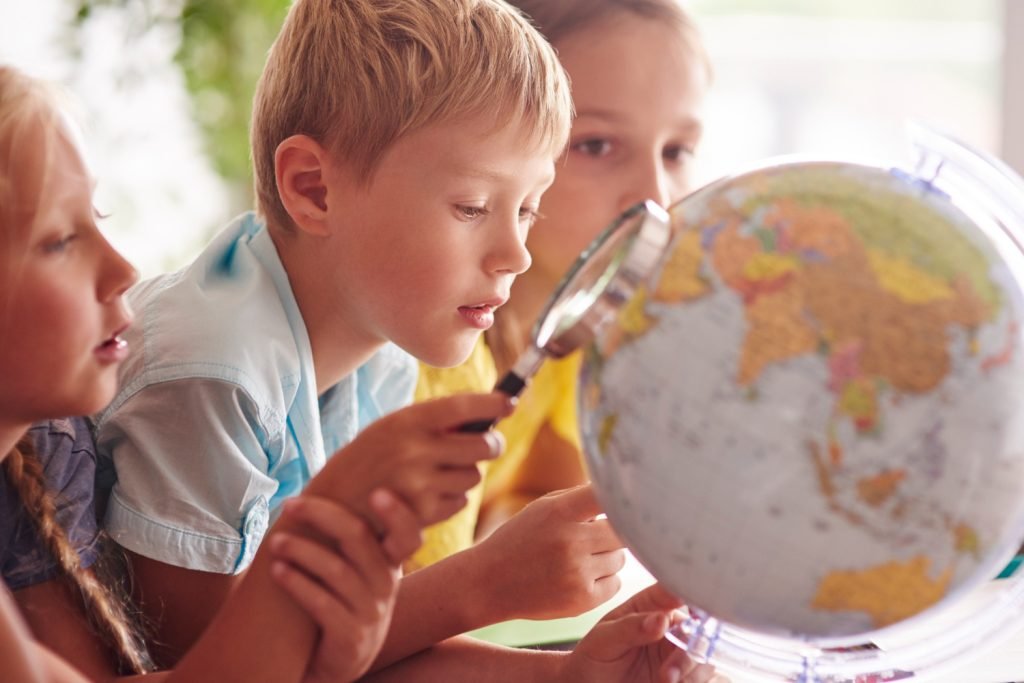
Geography is all about understanding the world around us. It’s more than just learning country names and capitals; it’s about discovering the cultures, landscapes, and places that make up our planet. Teaching kids geography can truly be a fun adventure with the right tools.
Interactive apps and digital tools have revolutionized how geography is taught. Using these resources, kids can explore faraway places without ever leaving home. They can dive into the oceans, climb mountains, and walk through bustling cities, all through their screens. This makes learning geography more exciting and meaningful.
With interactive lessons, kids not only learn facts but also develop a curiosity about the Earth and its diverse environments. These tools encourage kids to become explorers, leading to a deeper understanding of how interconnected our world is. By making geography lessons engaging and adventurous, we nurture a genuine interest in exploring the world, one digital journey at a time.
Choosing the Right Apps for Interactive Geography Learning
Finding the right geography apps for kids can make all the difference in learning. The best apps turn geography lessons into exciting adventures that kids love. When choosing apps, think about a few important points to ensure they enhance learning.
1. Engaging Content: Look for apps with interactive activities like quizzes, puzzles, and video content. These keep kids interested and make learning fun.
2. Visual Appeal: Apps with colorful graphics and animations grab attention and make exploring geography exciting. Fun visuals help explain complex ideas in simple ways.
3. User-Friendly Interface: Kids should be able to navigate the app easily on their own. Simple menus and instructions are necessary so children can focus on learning.
4. Educational Depth: Make sure the app covers diverse geographic topics. Apps that teach about different cultures, landscapes, and ecosystems provide a well-rounded geography education.
5. Age Appropriateness: Choose apps that match the child’s reading level and age. This ensures the content is neither too hard nor too easy, making learning challenging but manageable.
When you choose geography apps with these features, learning becomes an adventure kids eagerly look forward to. It builds a strong foundation of knowledge and curiosity about the world.
Exploring Maps and Globes with Digital Tools
Digital tools have made exploring maps and globes more interactive than ever. These tools allow kids to zoom in on different countries, learn about terrains, and even see real-time changes in the world.
Using digital maps, children can virtually travel to any location and learn about its geography. They can see how different areas look from above with satellite images. This helps kids understand the physical features like mountains, rivers, and forests, making learning concrete and visual.
Interactive globes offer 3D views of our planet. Kids can spin the globe and click on countries to learn more about them. This hands-on approach lets students explore different climates, time zones, and cultural landmarks in a way that captures their imagination.
Features like street views let learners walk virtually through cities, discovering famous sites from home. These immersive experiences bring distant places closer, expanding their understanding of global geography.
Digital tools make studying maps and globes an engaging experience. Kids become explorers in a virtual world, learning complex geographic facts in an enjoyable way. This deepens their awareness of how diverse and interconnected our Earth truly is.
Engaging Students with Virtual Geography Field Trips
Virtual geography field trips allow students to explore new places without leaving their classroom or home. These online adventures offer an exciting way to experience the wonders of our planet, bringing educational content to life through vivid imagery and engaging storytelling.
With virtual field trips, students can visit landmarks like the Great Wall of China or the Grand Canyon. These experiences provide detailed views and interesting facts that help kids learn more about the cultural and physical significance of these sites. They can explore underwater worlds to discover coral reefs, see the Northern Lights, or wander through a bustling city street, all through their screens.
Some field trips include guided tours led by virtual hosts, who explain the significance of each location. This guided approach helps students better understand the historical and environmental backgrounds of the places they visit.
Virtual field trips also encourage students to think about global issues, such as climate change and conservation. By seeing how different parts of the world are affected, kids can grasp the importance of protecting our planet. Engaging in these virtual journeys fosters curiosity and a greater connection to the world, making geography lessons memorable and impactful.
Encouraging Exploration with Geography Games and Quizzes
Geography games and quizzes are excellent tools for making learning interactive. They turn education into play and help reinforce geographical concepts through engaging activities. These games provide a fun and challenging way to test knowledge and explore new topics.
Quizzes help kids recall facts like capitals, continents, and physical features. Many apps feature multiple-choice questions, map identification tasks, and trivia that challenge students’ understanding and memory. Completing quizzes boosts confidence and helps students gauge their learning progress.
Games often incorporate puzzles and strategy challenges where kids must map routes, plot locations, or solve geographic mysteries. These interactive tasks require students to apply critical thinking and problem-solving skills. By actively participating, kids strengthen their understanding of geography.
Some popular games include:
1. Treasure Hunts: Kids use clues to locate places on a map, learning coordinates and landmarks.
2. Memory Matching: Students match countries with their flags or famous sites, enhancing memorization skills.
3. World Builder: Players create environments while learning about different ecosystems.
These playful approaches keep students excited and engaged in their geography lessons, nurturing a lifelong interest in exploring the world.
Conclusion:
Interactive geography lessons open up a world of discovery for young learners. These experiences teach students about diverse lands and cultures and inspire them to explore and appreciate the world around them. By integrating digital tools, virtual field trips, and engaging games, we can create a dynamic learning environment that brings geography to life.
As kids navigate these interactive lessons, they gain critical thinking skills and a deeper understanding of global issues. This dynamic approach to geography helps students develop curiosity and a love for learning about our Earth’s wonders.
Embrace this journey of discovery by exploring educational apps with Readtych. Whether through virtual adventures or playful quizzes, empower your child to explore the world and spark their imagination. Visit our platform to find the perfect tools for enriching your geography lessons. Let Readtych guide you and your child through an engaging and memorable geographical adventure.