Why Digital Education Platforms Fail to Engage Students (And How to Fix It)
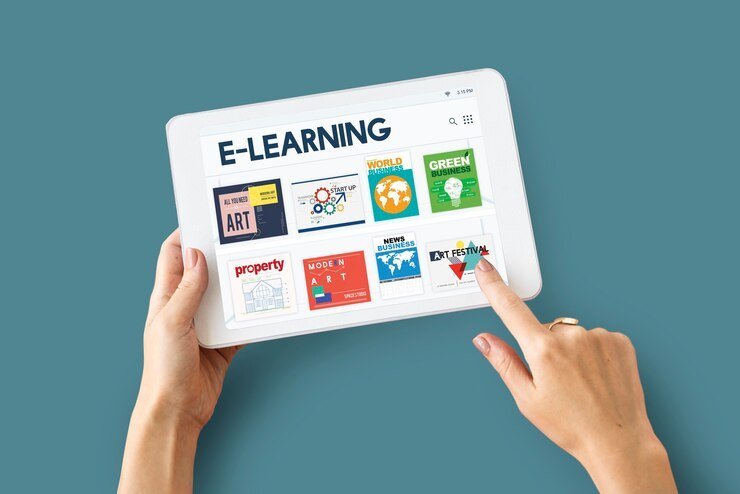
Digital education platforms offer incredible opportunities for students to learn and grow. However, these advanced systems sometimes struggle to keep students engaged and active in their learning journey. The promise of easy access to diverse educational materials often clashes with the reality of ensuring students stay interested and motivated. It’s similar to having a box of vibrant crayons—each one offering beautiful colors—but not knowing how to use them to create a masterpiece.
Various student engagement issues arise when digital platforms don’t live up to expectations. From confusing interfaces to uninspiring content, these issues hinder the learning process. As we explore the reasons behind these challenges, it becomes clear there are actionable ways to address them effectively. Let’s dig into the common reasons digital education platforms may fall short and discover some simple yet powerful solutions.
Common Reasons Digital Education Platforms Fail to Engage Students
One major reason digital education platforms sometimes fail is the lack of interactive and engaging content. When lessons are dull and monotonous, students easily lose interest. Imagine a video game with no color or sound—it’s the same concept. If the content fails to grab attention, students quickly tune out.
Another concern is overly complex or user-unfriendly interfaces. If students find it hard to navigate a platform, they’ll likely become frustrated. Simplicity is key here. Remember how easy it is to open a book and start reading; digital platforms need to offer similar straightforward access.
Additional hurdles include insufficient personalization and adaptability to different learning styles. Not every student learns the same way, so one-size-fits-all approaches don’t work well. Finally, poor technical performance and access issues can create significant barriers. When platforms lag or lose connectivity, students are left in the lurch, unable to proceed with their learning.
By understanding these common pitfalls, we can better envision solutions that truly engage students. Let’s explore these ideas further and see how they can transform digital learning environments for the better.
Enhancing Content Interactivity
To truly captivate students, digital platforms should embrace interactivity. Imagine a lesson that feels more like play than work; that’s what incorporating gamification can do. By adding game-like elements such as rewards, badges, and leaderboards, learning can become an immersive experience. This approach taps into the natural human desire to achieve and compete, making learning more fun and engaging.
Another powerful way to enhance interactivity is through interactive videos and quizzes. These tools encourage students to pause, think, and apply what they’ve learned immediately. Simple actions like clicking, dragging, or answering questions keep students involved and focused on the material. These techniques provide immediate feedback, allowing for quick corrections, which helps in retaining knowledge better.
Venturing further into technology, virtual and augmented reality tools offer new educational dimensions. Imagine students exploring ancient Rome or observing a rainforest ecosystem without leaving their classroom. These vivid, interactive experiences allow learners to understand complex topics in a more tangible way, boosting both interest and comprehension.
Simplifying User Experience
Simplicity can significantly impact student engagement. A well-designed digital platform should provide a clean, intuitive interface that even a child finds easy to navigate. It’s like entering a library where every book is neatly organized and easy to find — students shouldn’t have to struggle to locate resources or assignments.
Ensuring clear instructions and smooth navigation is paramount. When students know where to go and what to do, they’re more likely to explore and use various educational tools confidently. One way to achieve this is by implementing a user-friendly layout with step-by-step guides and visual cues.
It’s important also to offer comprehensive user support. This could mean incorporating a helpdesk chatbot for quick answers or an FAQ page filled with solutions to common problems. When students know support is readily available, they feel more secure and are willing to try new features without fear of making mistakes.
Personalizing the Learning Experience
Each student has unique needs, and addressing them individually can greatly boost engagement. By adapting content to different learning styles and paces, digital platforms ensure that every student can march to their own beat. Think of it like customizable playlists, where students choose what works best for them based on tempo and preference.
Customizable learning paths allow students to take ownership of their education. This might mean taking additional courses to deepen understanding in a subject of interest or skipping ahead in areas where they excel. Such flexibility not only nurtures independence but also fosters a love for learning by catering to individual preferences.
Using data analytics can help tailor learning experiences. By tracking student progress and preferences, analytics helps in identifying areas that need attention and ones where students excel. This individualized approach means students receive the resources and support they need, when they need it, which keeps them engaged and on track for success.
Ensuring Technical Reliability and Access
For digital education to be effective, platform stability and performance must be prioritized. Ensuring that systems run smoothly prevents disruptions that can discourage students from continuing their studies. Offering offline capabilities and low-bandwidth options can also be beneficial, especially for students with limited internet access.
Access for all students is crucial, which includes making the platform usable for those with disabilities. Implementing accessibility features ensures that every student has the opportunity to learn effectively.
Creating a Solution-Oriented Mindset
Promoting a culture of feedback and continuous improvement is vital for digital platforms. Encouraging student and educator input can lead to meaningful changes and enhancements. This feedback loop creates a dynamic learning environment that continuously evolves to meet user needs.
Building a community of learners and educators can share experiences and success stories, inspiring others and fostering a supportive educational ecosystem.
Making Digital Education Work for You
Transforming student engagement through digital platforms is achievable with practical steps. By enhancing interactivity, streamlining user experience, and personalizing learning paths, educators can ignite students’ passion for education. The key is to view these strategies not as isolated improvements, but as parts of a cohesive plan tailored to student needs.
As you consider adopting these strategies, remember that change doesn’t happen overnight. Continuous improvement and willingness to adapt are crucial components in making digital education successful. Encourage feedback from students and educators alike to refine and optimize these approaches. Digital education can truly empower learners and lead to remarkable outcomes.
Explore the opportunities that digital education can provide. By visiting Readtych, you can discover how innovative solutions empower learners and educators to create engaging and personalized learning experiences. Learn more about digital education and harness its potential for educational success today.