How to Help Kids Enjoy Learning Math with Fun Apps
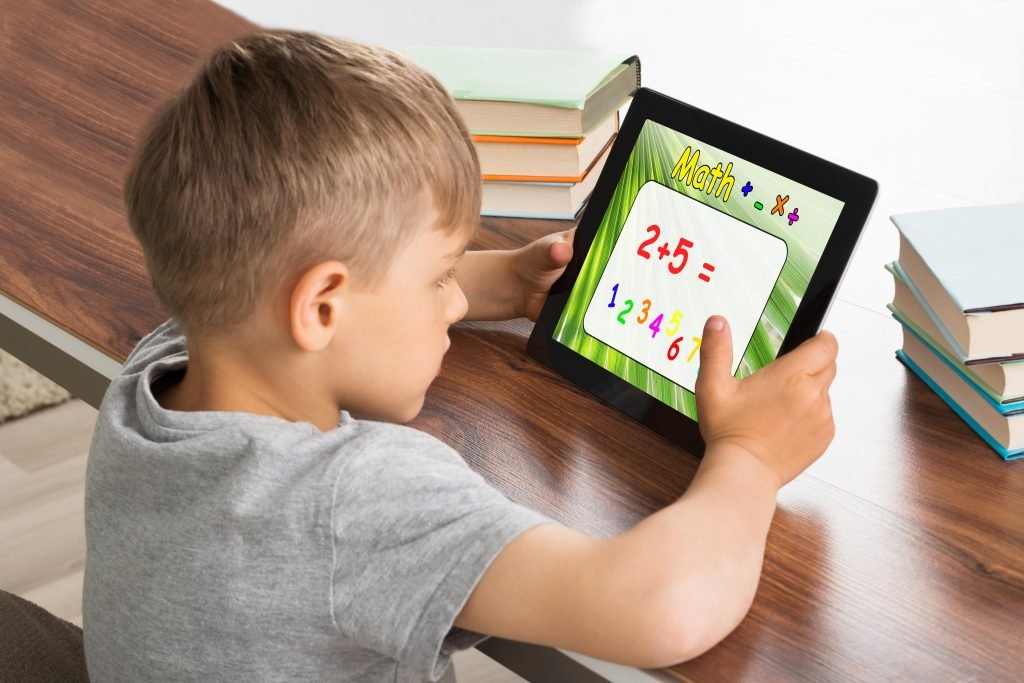
Math doesn’t have to be boring or scary. With the right apps, learning math can be a fun and exciting experience for kids. Apps designed for math education offer great ways to explore numbers, solve puzzles, and understand complex concepts in a playful environment. These apps turn math challenges into enjoyable activities that capture children’s attention.
By integrating technology into math learning, kids can practice skills and discover new ideas at their own pace. These apps provide interactive lessons and games that make abstract concepts concrete and easy to grasp. Kids are more likely to engage with math when it is presented as a game, and they won’t even realize they’re learning.
Using math apps, kids can develop skills that build a strong foundation for future success. Whether they’re solving problems or playing number games, they’re building confidence and discovering that math is not just about numbers; it’s about thinking creatively and exploring. Through these apps, math becomes more than a subject—it’s an adventure in learning.
Selecting Math Apps That Inspire and Educate
Choosing the best math apps for kids involves focusing on tools that both inspire and educate. These apps should engage children, making math lessons fun and rewarding. Here’s how you can select the best apps for effective learning:
1. Educational Content: Look for apps that cover a wide range of math topics, from basic arithmetic to more complex concepts like geometry or fractions. The content should match the child’s grade level and ability to ensure they are challenged appropriately.
2. Ease of Use: The app should have an intuitive design that makes it easy for kids to navigate. Clear instructions and a simple interface help keep the focus on learning rather than figuring out how to use the app.
3. Visual and Interactive Elements: Apps that include colorful graphics and interactive elements like touch or drag-and-drop features can make learning more engaging. These elements help kids visualize and understand math problems better.
4. Feedback and Rewards: Look for apps that provide immediate feedback on answers. Awards, badges, or point systems can motivate kids to keep improving and trying new challenges.
5. Positive Reviews and Ratings: Apps with good reviews from other users can be a good indicator of effectiveness. Look for ones praised for both their educational value and entertainment factor.
By paying attention to these factors, you can choose math apps that not only teach important skills but also spark curiosity and love for math.
Interactive Problem-Solving with Digital Tools
Digital tools offer kids a dynamic way to tackle math problems through interactive problem-solving activities. These tools go beyond rote memorization, encouraging students to explore different methods and approaches to find solutions. Here’s how interactive digital tools help with math learning:
Interactive problem-solving tools often present math challenges in the form of puzzles or games. Kids are more engaged because they must think critically to solve problems, which helps deepen their understanding of concepts.
Many apps create real-world scenarios for solving math problems, allowing students to see the practical application of math in everyday life. This context makes math more relatable and useful, reinforcing the importance of learning these skills.
These tools often include step-by-step solutions or hints, guiding students when they get stuck. This support encourages independent learning and helps build problem-solving grit.
Math apps can adapt to a child’s skill level, offering more challenging problems as they improve. This personalized approach helps keep students motivated because they are always working within their ability while gradually increasing the difficulty.
Incorporating interactive problem-solving into math education makes the subject more appealing and accessible. Kids learn that there’s more than one way to solve a math problem, and these tools help build a flexible and resourceful mindset.
Boosting Math Confidence through Creative Gameplay
Creative gameplay in math apps transforms abstract numbers into engaging stories and challenges. This approach not only makes learning math more enjoyable but also builds confidence in young learners who might otherwise feel discouraged by traditional methods.
Games that feature math-related adventures and narratives encourage kids to apply math concepts in fun and exciting scenarios. These scenarios make learning active and help kids understand how math works outside the classroom. As children complete each level, they gain a sense of achievement that enhances their confidence.
Consider math apps that include:
1. Puzzle Games: These help improve logic and critical thinking skills by requiring players to solve math puzzles to advance to new levels.
2. Strategy Challenges: These games often involve planning and utilizing math strategies to win, which encourages quick thinking and decision-making.
3. Role-Playing Scenarios: Children take on characters who must solve math-related tasks to complete their missions, integrating math with storytelling.
Through these engaging methods, math becomes a friendly tool rather than a daunting task. Creative gameplay encourages kids to experiment with numbers, leading to a better understanding of math concepts and a boost in their overall confidence.
Tracking Progress and Setting Learning Goals
Tracking progress is key in helping kids stay motivated and aware of their math learning journey. With math apps, kids can effortlessly see how much they’ve learned and what areas they need to improve. This awareness encourages them to take charge of their learning.
Many apps feature dashboards that allow kids and parents to monitor performance, showing strengths and pinpointing areas that may need additional practice. These insights support a more personalized learning approach, adapting to the child’s needs.
Goal-setting features in apps motivate students by allowing them to set and reach achievable milestones. These goals could range from mastering multiplication tables to solving complex word problems. Celebrating small victories along the way keeps learning positive and encourages a love for math.
Tracking functionality and goal-setting keep education targeted and measurable. Kids can progressively tackle challenges, building skills gradually while maintaining a sense of accomplishment. This approach helps establish a growth mindset, where learning is seen as a continual journey rather than a fixed destination.
Conclusion
Using fun and interactive apps for learning math can make a huge difference in how kids view this essential subject. When math is engaging and interactive, it helps children connect with it on a personal level, making them more eager to learn. The right apps can transform math from a series of equations into a set of creative challenges and adventures.
Readtych offers a digital e-learning platform filled with innovative educational apps to support every child’s learning journey. By exploring our selection, parents and teachers can find the tools they need to make math an exciting adventure for young learners. Dive into a world of interactive learning with Readtych, where education meets fun and creativity!