Inclusive Classrooms with Digital Learning Tools
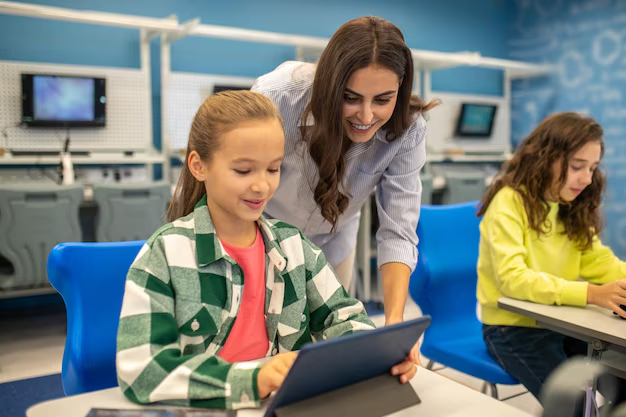
Creating an inclusive classroom is essential for ensuring that every student has an equal opportunity to succeed. An inclusive classroom values diversity and provides the support needed for all students, including those with different learning styles and abilities. This environment promotes acceptance, reduces stigma, and helps students feel valued and respected. Inclusivity in education is not just about meeting the needs of students with disabilities; it’s about creating a space where every student can thrive.
However, fostering inclusivity is not without its challenges. Teachers often face obstacles such as limited resources, varying levels of readiness among students, and the need for specialized training. These challenges can make it difficult to provide personalized attention to each student. This is where digital learning tools come in. We offer a range of educational apps and resources designed to support inclusive learning. These tools enable teachers to accommodate diverse learning needs more effectively, helping them create a classroom environment where all students can succeed.
By leveraging digital tools, teachers can overcome many of the barriers to inclusivity. These tools provide tailored educational experiences, making it easier to engage and support every student. In this article, we will explore the importance of inclusivity in education, introduce key digital tools that promote inclusive learning, and offer practical advice on implementing these tools in the classroom.
The Importance of Inclusivity in Education
Creating an inclusive classroom is crucial because it ensures that every student, regardless of their abilities or background, has the opportunity to learn and succeed. Inclusivity fosters a sense of belonging and respect, which are essential for a conducive learning environment. When students feel included, they are more likely to participate actively and engage with the material, leading to better academic outcomes. Inclusivity also teaches important values like empathy, cooperation, and understanding, which are important life skills.
However, fostering inclusivity can be challenging for teachers. One of the biggest obstacles is the need to address a wide range of learning needs within a single classroom. This requires thoughtful planning and differentiation, which can be time-consuming. Teachers also need adequate resources and training to implement inclusive strategies effectively. Limited access to specialized materials and support services can hinder efforts to create a fully inclusive environment. Despite these challenges, the benefits of an inclusive classroom are worth the effort.
Digital Learning Tools That Support Inclusivity
Our platform offers various digital tools that promote inclusive learning. One key tool is our adaptive learning software, which adjusts the difficulty of the material based on each student’s performance. This ensures that students receive personalized instruction that meets their unique needs. Another valuable tool is our multimedia resource library, which provides diverse materials such as videos, interactive lessons, and quizzes. These resources cater to different learning styles, making it easier for all students to access and engage with the content.
Additionally, our collaborative tools, like discussion forums and group projects, help foster a sense of community and encourage teamwork. These tools make it easier for students to work together and learn from each other, regardless of their individual strengths and weaknesses. Our platform also includes accessibility features such as text-to-speech, closed captioning, and customizable interfaces, which support students with disabilities. By integrating these digital tools into the classroom, teachers can create a more inclusive environment that supports the diverse needs of their students.
Implementing Digital Tools for Inclusivity
Integrating digital tools to support inclusivity in the classroom can be straightforward with the right approach. First, familiarize yourself with the specific tools available on our platform. Start by setting up an adaptive learning software to individualize student learning experiences. Make sure each student has access to a device that supports these tools, whether it’s a tablet, laptop, or desktop computer.
Next, introduce multimedia resources to your lesson plans. Use videos, interactive lessons, and digital quizzes to cater to different learning styles. Ensure that all content is accessible by enabling features such as text-to-speech and closed captioning. Once the tools are set up, conduct a brief orientation for students to help them understand how to use each resource effectively.
Here are some practical tips to adopt inclusive teaching methods using these tools:
- Create Differentiated Assignments: Tailor tasks based on individual student needs to ensure that everyone can participate and learn at their own pace.
- Encourage Collaboration: Utilize collaborative tools like discussion forums and group projects to promote teamwork and peer learning.
- Regularly Monitor Progress: Use the platform’s analytics to track student progress and intervene early if any student is falling behind.
- Provide Continuous Feedback: Make use of instant feedback features in digital quizzes to help students understand their mistakes and learn from them immediately.
Measuring the Impact of Inclusive Practices
Measuring the impact of inclusive teaching practices is key to continuous improvement. Start by using the metrics and tools available on our platform. Look at data points such as student participation rates, assignment completion, and quiz scores. Analyze this data regularly to identify trends and areas for improvement.
Standardized assessments are another way to gauge the effectiveness of your inclusive strategies. Compare performance data before and after the implementation of digital tools to see if there has been an improvement in student outcomes. Beyond quantitative metrics, consider qualitative feedback from students and parents. Surveys and feedback forms can provide valuable insights into how well the inclusivity efforts are working and where adjustments might be needed.
To continuously improve inclusivity, set specific, measurable goals for your teaching practices. Use the collected data to refine and adapt your methods. For example, if you notice that certain resources are underutilized, consider additional training or alternative approaches to make those tools more engaging. Regularly review and update your inclusive strategies to ensure they meet the evolving needs of your students.
Conclusion
Creating an inclusive classroom using digital learning tools is not just a goal but a commitment to ensuring that every student has the opportunity to succeed. By leveraging the resources available on Readtych’s platform, teachers can overcome many barriers to inclusivity and provide personalized, engaging, and effective learning experiences. From adaptive learning software to collaborative tools, these digital aids support diverse educational needs and foster a supportive classroom environment.
By continuously assessing and refining inclusive practices, we can create a better learning environment for all students. Using data-driven insights helps us understand what works and what needs improvement, ensuring that our inclusivity efforts are effective and impactful.
Are you ready to transform your classroom into an inclusive and dynamic learning environment? Explore the range of digital learning platforms available on Readtych and start supporting your students’ diverse needs today. Contact us today to learn more and make inclusivity a cornerstone of your teaching practice.