Top Tips for Integrating Educational Technology in Your Class
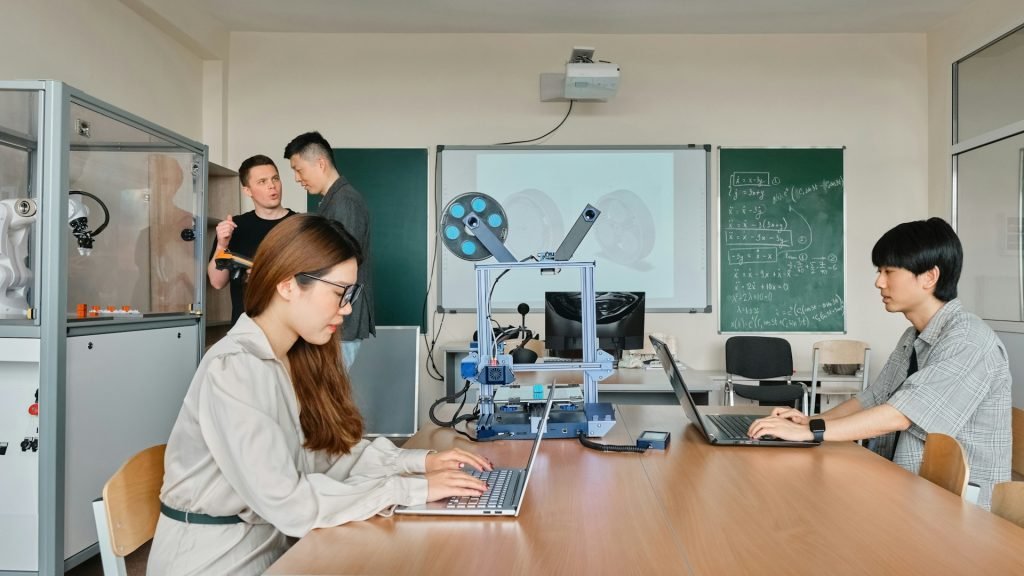
Integrating technology into the classroom has revolutionized how students learn and interact with educational materials. Technology offers tools catering to different learning styles, helping students reach their full potential. Engaging students through interactive apps and digital resources can make learning more exciting and accessible, fostering a more inclusive educational environment.
Using technology in the classroom also prepares students for a world increasingly relying on digital skills. Educational technology offers extensive benefits, from improved engagement and personalized learning paths to efficient classroom management. As educators, harnessing these tools effectively can transform how we teach and students absorb knowledge.
Incorporating technology doesn’t mean abandoning traditional teaching methods but rather enhancing them. A well-balanced approach integrating digital and traditional resources can lead to a more dynamic and practical learning experience. This blend ensures that students benefit from technology while still enjoying traditional education’s critical thinking and hands-on activities.
Understanding the Benefits of Educational Technology
Technology significantly enhances the learning experience by making education more interactive and engaging. Digital tools and resources allow students to explore subjects in ways that traditional methods may not allow. For instance, using interactive simulations in science classes helps students visualize complex concepts, making them easier to understand. Moreover, educational games can make learning fun, encouraging students to study more.
One of the most notable benefits of educational technology is the ability to tailor learning paths to individual students. Adaptive learning software can adjust the difficulty level of tasks based on a student’s performance. This personalization ensures that students who need more help receive it, while those who excel can move ahead without waiting for the rest of the class. Technology also supports various learning styles, from visual and auditory to kinesthetic, helping each student engage with the material in the way that suits them best.
Setting Up Your Classroom for Technology Integration
Preparing your classroom for technology integration begins with ensuring a stable and robust internet connection. This step is vital because most educational apps and online resources require internet access. Next, evaluate the hardware needs. Determine whether you need to invest in tablets, laptops, or other digital devices and ensure enough for each student or group.
Ensuring every student has access to the necessary technology is also essential. Begin by assessing the current technology availability among your students. Consider working with school administrators to provide resources for students who may lack access to devices or the internet at home.
Setting up a system where students can borrow equipment can help bridge this gap. Additionally, clear instructions on how to use the new tools should be provided, and ongoing support should be available for any technical issues that might arise. This preparation helps create an inclusive environment where all students can benefit from the technological enhancements to their education.
Choosing the Right Educational Apps
When selecting educational apps for your classroom, choosing those that align with your teaching goals and curriculum standards is essential. First, identify your learning objectives and seek apps that support those aims. Look for apps that address specific skills or content areas relevant to your students’ needs. Reviewing and researching app developers can help you pick reputable and functional tools.
Additionally, ensure the apps are engaging and interactive to keep students interested. Features like gamification, multimedia content, and immediate feedback can significantly enhance the learning experience. Ensure the app includes assessment tools that track progress and understand each student’s development. Lastly, the apps must comply with data privacy laws and be safe for student use.
Implementing Technology in Daily Lessons
Incorporating technology into daily lessons requires careful planning and balance. Start by integrating digital tools into your existing curriculum. Use interactive apps to enrich traditional teaching methods rather than replace them. For instance, begin a lesson with a digital quiz to gauge prior knowledge, then proceed with hands-on activities reinforcing the concept.
Another approach is to use technology for differentiated instruction. Tailor assignments using apps that adjust to different skill levels, allowing each student to learn at their own pace. Rotate station activities where some groups work with tablets while others engage in traditional exercises. This blended learning model can keep all students engaged and ensure they benefit from various teaching strategies.
Conclusion
Incorporating educational technology into your classroom offers numerous benefits for students and teachers. From enhancing engagement to creating tailored learning paths, the right tools can transform the academic experience. By preparing your classroom, choosing the right apps, and implementing technology thoughtfully, you can create a dynamic and inclusive learning environment.
At Readtych, we provide a variety of educational technology apps designed to boost student motivation and facilitate effective learning. Our tools are carefully curated to help you achieve your teaching goals while aligning with curriculum standards. Don’t wait to see technology’s positive impact on your classroom. Explore our platform today and enhance your students’ learning experience with Readtych.